

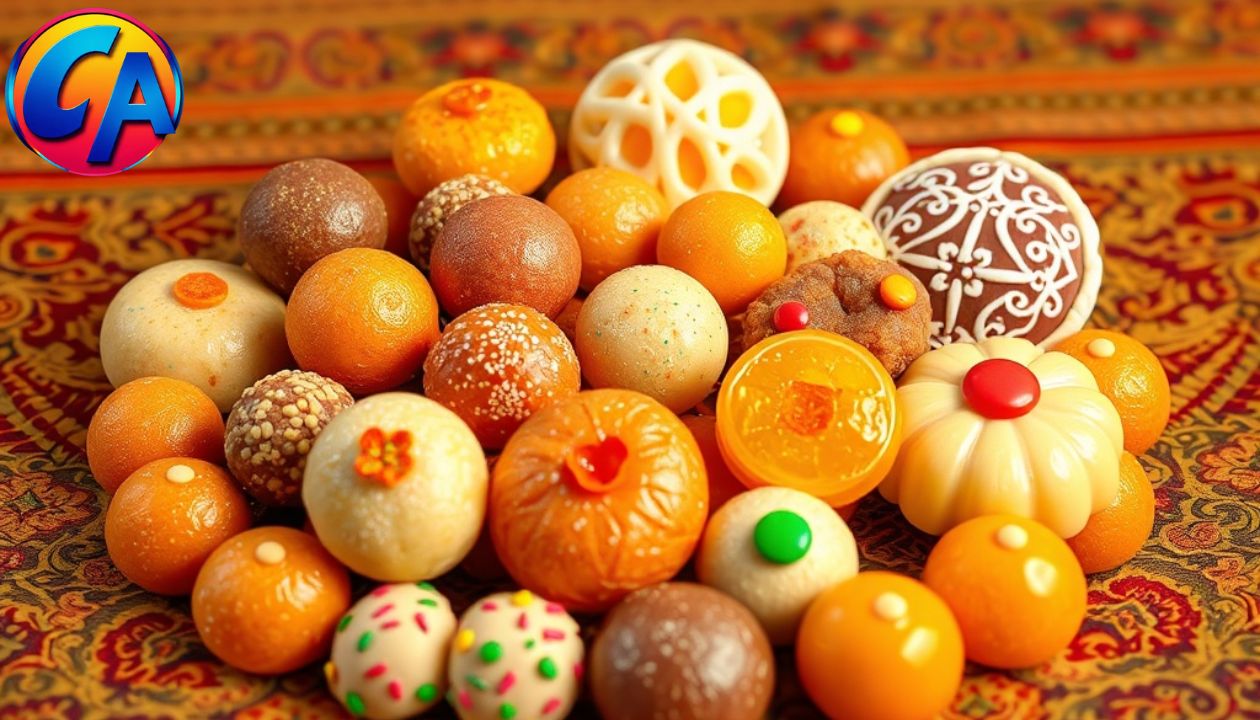
India is famous for its rich food culture.
But nothing represents Indian cuisine better than its sweets.
Sweet Indian treats are not just desserts.
They are emotions, traditions, and celebrations combined.
From weddings to festivals, sweets are everywhere.
Every region has its own unique flavors.
Cooks soak some sweets in sugar syrup.
They prepare others slowly with milk and ghee.
Each sweet tells a story of heritage and love.
In this article, you will discover the most loved sweet Indian treats.
These are desserts you must try at least once in your lifetime.
What Makes Sweet Indian Treats So Special
Sweet Indian treats are different from Western desserts.
They rely on natural ingredients.
Indian cooks use milk, sugar, jaggery, ghee, nuts, and spices.
Most recipes are centuries old.
People pass these recipes to the next generation.
Many sweets are handmade with patience.
Slow cooking brings out deep flavors.
Another special thing is variety.
India offers hundreds of sweets.
Each state has its own signature dessert.
This diversity makes Indian sweets truly unique.
Cultural Importance of Sweet Indian Treats
In India, sweets symbolize happiness.
No celebration is complete without them.
Births, weddings, festivals, and religious events all include sweets.
People offer sweets in temples.
They share them with family and neighbors.
Giving sweets is a sign of respect and love.
Sweet Indian treats connect people emotionally.
They remind many of childhood memories.
They bring comfort and joy in every bite.
Classic Sweet Indian Treats You Must Try
Gulab Jamun – The King of Indian Sweets
Gulab Jamun is one of the most popular Indian sweets.
It is soft, round, and soaked in sugar syrup.
Rose water and cardamom flavor the syrup.
This sweet melts in your mouth.
Serve it hot or cold.
Gulab Jamun is a must-have at weddings and festivals.
Rasgulla – Soft and Juicy Delight
Rasgulla comes from eastern India.
Fresh cottage cheese makes the sweet, and cooks boil the balls in sugar syrup.
Rasgullas are spongy and juicy.
They feel lighter than other sweets.This makes them perfect after a heavy meal.
Jalebi – Crispy and Syrupy Treat
Jalebi is bright orange and spiral-shaped.
Deep-fry it and soak it in sugar syrup.The outside is crispy.
The inside is juicy and sweet.
Enjoy Jalebi with milk or yogurt.It is popular as a breakfast sweet in many regions.
Fresh jalebi tastes best when served hot.
Kheer – Traditional Rice Pudding
Kheer is a classic Indian dessert.
Make it with rice, milk, and sugar.Nuts and cardamom add flavor.
Cooks make Kheer creamy by slow-cooking and serve it during festivals.
Different regions have their own variations.
Ladoo – Festival Favorite Sweet
Cooks make Ladoos round.They come in many varieties.
Besan ladoo, motichoor ladoo, and coconut ladoo are popular.
Ladoos are easy to store and share.
Make them commonly during religious events.Each ladoo has a rich and comforting taste.
Milk-Based Sweet Indian Treats
Milk plays a major role in Indian desserts.
Many sweets are made by reducing milk slowly.
This creates rich flavors and textures.
Barfi – Rich and Creamy Dessert
Cooks make Barfi dense, flavor it with nuts, and top it with silver leaf.
Barfi is soft and mildly sweet.
Cut it into squares or diamonds.This sweet is perfect for gifting.
Rasgulla vs Rasmalai
Cooks make Rasmalai, a milk dessert.It uses soft cheese discs soaked in sweet milk.
Flavor the milk with saffron and cardamom.
Rasmalai is creamier than rasgulla.
It has a luxurious taste.
Everyone in India loves both.
Regional Sweet Indian Treats
Each Indian state has its own specialty.
These sweets reflect local culture and ingredients.
Mysore Pak – South Indian Classic
Make Mysore Pak with gram flour, sugar, and ghee.It has a crumbly yet soft texture.
The flavor is rich and buttery.
This sweet originated in Karnataka.
It is popular during festivals like Diwali.
Sandesh – Bengali Milk Sweet
Sandesh is light and delicate.
Make it with fresh cottage cheese and a small amount of sugar.
This sweet is less heavy than others.
It is perfect for those who prefer mild sweetness.
Modak – Lord Ganesha’s Favorite
Modak is a traditional Maharashtrian sweet.
Fill it with coconut and jaggery, and make the outer layer from rice flour.
Modak is mainly prepared during Ganesh Chaturthi.
It has a soft shell and flavorful filling.
Street-Style Sweet Indian Treats
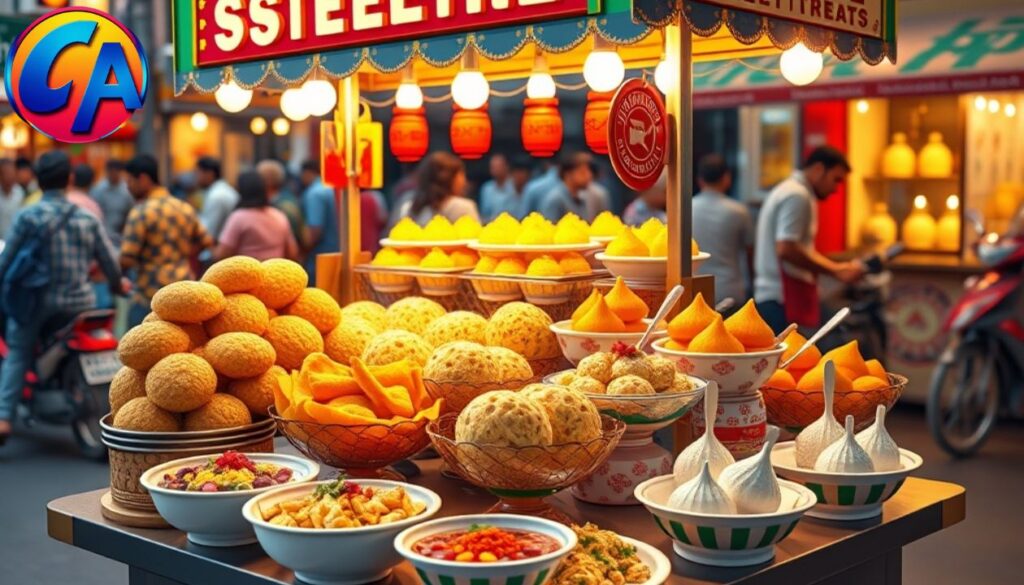
Indian streets are full of sweet surprises.
Many sweets taste better when eaten fresh outside.
Rabri – Thickened Sweet Milk
Rabri is made by boiling milk for hours.
Creamy layers form on top.
Sugar and saffron enhance the taste.
Rabri is often paired with jalebi.
This combination is loved by many.
Malpua – Traditional Pancake Sweet
Malpua is a sweet pancake.
It is fried and dipped in sugar syrup.
It is soft inside and crisp outside.
Malpua is popular during Holi and Ramadan.
It has a rich and satisfying taste.
Healthy and Modern Sweet Indian Treats
Modern times have changed eating habits.
Health-conscious versions of sweets are now available.
Jaggery is used instead of refined sugar.
Low-fat milk is preferred.
Dry fruits add nutrition.
These changes keep tradition alive.
They also make sweets suitable for more people.
Sweet Indian Treats Table (Quick Overview)
| Sweet Name | Region | Main Ingredients | Texture |
| Gulab Jamun | North India | Milk solids, sugar | Soft |
| Rasgulla | East India | Cottage cheese | Spongy |
| Jalebi | All India | Flour, sugar | Crispy |
| Mysore Pak | South India | Gram flour, ghee | Crumbly |
| Modak | West India | Rice flour, coconut | Soft |
How to Enjoy Sweet Indian Treats Properly
Always eat in moderation.
Indian sweets are rich and filling.
Small portions are enough.
Pair sweets with warm milk or tea.
This improves digestion.
Fresh sweets always taste best.
People of all ages love sweet Indian treats.
Sweet Indian treats are deeply connected with emotions.
They remind people of family gatherings and celebrations.
Every bite carries warmth and nostalgia.
These desserts are enjoyed by all age groups.
They create moments of happiness instantly.
Cooks prepare Gulab Jamun using milk solids and sugar syrup.
In many homes, sweet recipes are family secrets.
Grandmothers pass these recipes to the next generation.
Preparing sweets together strengthens family bonds.
This tradition keeps culture alive.
Sweet Indian treats unite people beyond borders.
Families serve these sweets during festivals and weddings.
Indian sweets use simple but powerful ingredients.
Milk is slowly reduced for deep flavor.
Ghee adds richness and aroma.
Natural spices enhance taste naturally.
This balance makes sweets unforgettable.
Cooks slowly reduce milk to create rich flavors.
During festivals, sweet shops stay busy.
Homes are filled with sweet aromas.
Guests are welcomed with desserts.
Sharing sweets spreads joy and positivity.
Festivals feel incomplete without them.
People across the world enjoy Indian sweets.
Street sweets offer unmatched freshness.
They are made in front of customers.
The experience feels lively and authentic.
Local vendors add their own special touch.
This makes street sweets unique.
People consider these desserts symbols of happiness.
Moderation is the key to enjoyment.
Small portions satisfy cravings easily.
Balanced eating keeps sweets enjoyable.
Health-conscious options are now popular.
Tradition adapts with time.
Families prepare Modak during Ganesh Chaturthi.
Sweet Indian treats are loved globally.
They are served in Indian restaurants worldwide.
People from different cultures admire them.
These sweets create a global connection.
Indian desserts continue to gain popularity.
People share sweets with relatives and neighbors.
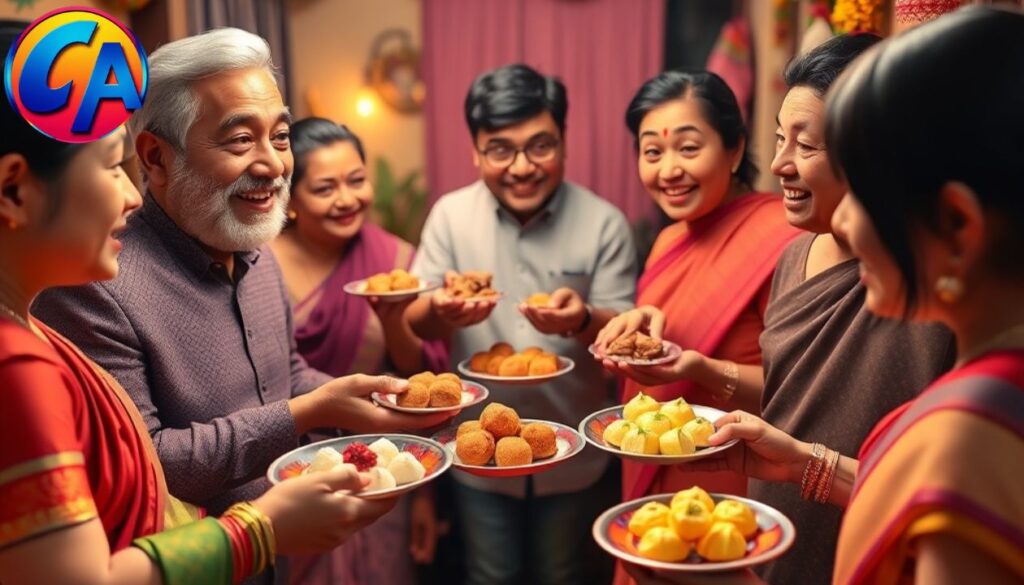
Trying Indian sweets is a delightful journey.
Each dessert offers a new experience.
They celebrate life and happiness.
Sweet Indian treats truly stand timeless.
Frequently Asked Questions (FAQs)
What are the most popular sweet Indian treats?
Gulab Jamun, Jalebi, Rasgulla, and Ladoo are the most popular.
Are Indian sweets very sugary?
Many traditional sweets are sweet, but healthier versions are available.
Which Indian sweet is best for festivals?
Ladoos and barfi are commonly used for festivals.
Can Indian sweets be homemade easily?
Yes, many sweets can be made at home with basic ingredients.
Are Indian sweets suitable for vegetarians?
Most Indian sweets are vegetarian-friendly.
Conclusion
Sweet Indian treats are more than food.
They represent joy, tradition, and culture.
Each sweet carries history and emotion.
From soft Gulab Jamun to crispy Jalebi, every dessert has its charm.
Trying these sweets is like tasting India itself.
If you love desserts, Indian sweets are a must.
At least once in life, enjoy these timeless treats.
They will leave a lasting memory on your taste buds.
