

Creative photography ideas can transform ordinary photos into stunning, memorable images. Whether you are a beginner or a professional, exploring these ideas allows you to experiment with angles, lighting, motion, and composition to create unique and eye-catching photographs. By applying these creative photography ideas, you can elevate your photography skills and express your personal vision in every shot.
Table of Contents
- Experiment with Angles and Perspectives
- Play with Light and Shadows
- Motion and Movement Photography
- Focus on Details and Textures
- Creative Use of Reflections
- Minimalism in Photography
- Macro Photography Ideas
- Unique Portrait Photography
- Storytelling Through Photography
- Nature and Landscape Photography
- Night Photography and Long Exposure
- Street Photography with a Twist
- Abstract and Conceptual Photography
- DIY Photography Projects
- Editing and Post-Processing Creativity
- Frequently Asked Questions (FAQs)
- Conclusion
Experiment with Angles and Perspectives
One of the simplest ways to make your photos stand out is by exploring different angles and perspectives. Most people capture images at eye level, but trying something unconventional can transform an ordinary scene.
- Low Angle Shots: Capture your subject from below to create a sense of grandeur or power.
- High Angle Shots: Shooting from above can make your subject appear smaller or reveal patterns.
- Tilted Frames: A slight tilt of your camera adds a dynamic and artistic touch.
- Overhead Shots: Perfect for food, flat-lay, or creative scene compositions.
Experimenting with angles encourages viewers to see the world in new ways.
Play with Light and Shadows
Lighting is one of the most important elements in photography. Creative use of light can completely transform your images.
- Golden Hour Photography: Shoot during sunrise or sunset to capture warm, soft light.
- Silhouettes: Place your subject against a strong light source for dramatic shadows.
- Shadow Play: Use shadows to add depth, contrast, and storytelling elements.
- Artificial Lighting: Experiment with flash, LED lights, or lamps for creative effects.
Lighting not only illuminates but also sets the mood and tone of your photograph.
Motion and Movement Photography
Capturing motion brings life to your photography. There are multiple ways to creatively showcase movement:
- Long Exposure: Use slow shutter speeds to blur motion, such as waterfalls or moving traffic.
- Panning: Follow a moving subject to blur the background while keeping the subject sharp.
- Freeze Motion: Use fast shutter speeds to capture subjects in action, like sports or wildlife.
- Intentional Blur: Introduce blur creatively to add emotion or focus on a particular part of the scene.
Movement adds energy, storytelling, and a sense of realism to your photos.
Focus on Details and Textures
Sometimes the small details make the biggest impact. By focusing on textures, patterns, and minute elements, you can create striking photographs.
- Close-Up Shots: Capture intricate textures of flowers, leaves, fabrics, or objects.
- Macro Photography: Highlight tiny details invisible to the naked eye.
- Selective Focus: Blur the background to draw attention to the main subject.
- Patterns and Repetition: Emphasize visual patterns in natural or urban environments.
Detail-oriented photography trains you to observe and appreciate the subtle beauty around you.
Creative Use of Reflections
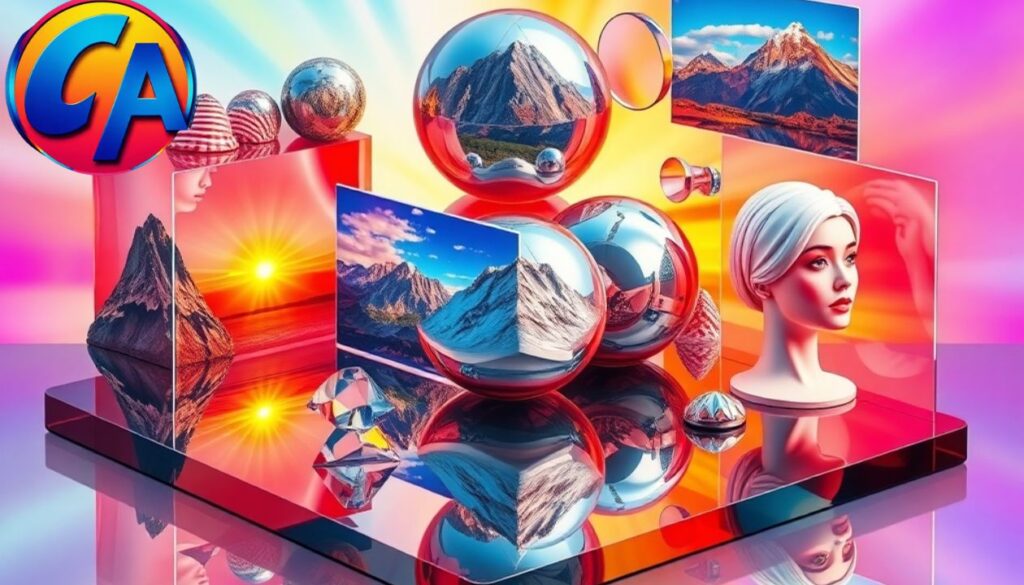
Reflections provide depth, symmetry, and surrealism in photography. They encourage experimentation and unique compositions.
- Water Reflections: Lakes, puddles, and rivers can mirror landscapes, buildings, or people.
- Mirrors and Glass: Use mirrors creatively for portraits, abstract art, or conceptual images.
- Double Exposure with Reflections: Combine reflections with original scenes for artistic effects.
- Symmetry: Reflections can create perfect symmetry and balance in your composition.
Playing with reflections challenges you to think beyond conventional framing.
Minimalism in Photography
Minimalist photography emphasizes simplicity, negative space, and clean composition. Less can truly be more.
- Single Subject Focus: Highlight one subject against a plain or uncluttered background.
- Negative Space: Empty space draws attention to the main subject and adds balance.
- Monochrome Minimalism: Black-and-white photography works perfectly for minimalist compositions.
- Simplified Scenes: Remove distractions to focus on shape, form, and color.
Minimalism encourages clarity and creativity while producing aesthetically pleasing images.
Macro Photography Ideas
Photography is more than just taking pictures. It also provides a way to express creativity. With it, you can experiment with light and angles to capture unique images.
- Insects and Flowers: Capture details invisible to the naked eye.
- Textures and Surfaces: Photograph surfaces like wood, fabric, or water droplets for abstract effects.
- Everyday Objects: Transform mundane items into fascinating subjects with close-ups.
- Creative Backgrounds: Use colorful or patterned backgrounds to enhance macro subjects.
Macro photography develops patience, precision, and technical skills.
Unique Portrait Photography
Portraits are not just about faces—they are about stories, emotions, and personality.
- Candid Shots: Capture natural expressions and moments.
- Environmental Portraits: Photograph subjects in their surroundings to tell a story.
- Conceptual Portraits: Use props, makeup, or themes to create imaginative portraits.
- Silhouette Portraits: Backlit portraits create mystery and artistic flair.
Creative portraits reveal emotion, character, and the essence of your subject.
“Top Creative Photography Ideas for Beginners”
A strong photograph can tell a story without words.
- Photo Series: Combine multiple images to narrate a complete story.
- Juxtaposition: Place contrasting elements together for a thought-provoking composition.
- Emotion Capture: Focus on expressions, gestures, or interactions to convey feelings.
- Cultural Narratives: Capture traditions, festivals, or daily life for storytelling.
Storytelling in photography makes images memorable and emotionally engaging.
“Using Light and Shadows in Creative Photography Ideas”
Nature offers endless opportunities for creative photography.
- Unusual Angles: Capture landscapes from unique perspectives.
- Weather Effects: Incorporate rain, fog, snow, or storms for dramatic impact.
- Wildlife Interaction: Photograph animals in their natural habitats.
- Seasonal Changes: Showcase the beauty of different seasons creatively.
Nature photography enhances your observational skills and appreciation for the environment.
Night Photography and Long Exposure
Nighttime opens up a realm of creative possibilities:
- Star Trails: Capture the movement of stars using long exposures.
- Light Painting: Use flashlights or sparklers to create artistic light trails.
- City Lights: Capture illuminated streets, bridges, or buildings at night.
- Moon and Stars: Experiment with astrophotography for cosmic images.
Night photography requires patience and experimentation with settings like shutter speed, ISO, and aperture.
“Macro Shots and Details for Creative Photography Ideas”
Street photography captures candid moments of life, but creativity can make your shots extraordinary.
- Patterns and Architecture: Look for symmetry, lines, and repetition in urban settings.
- Color Isolation: Focus on a single color to create a striking image.
- Movement Blur: Capture the hustle of city life with motion blur.
- Unexpected Moments: Keep an eye out for spontaneous and interesting scenes.
Creative street photography narrates stories about society and human life.
“Using Light and Shadows in Creative Photography Ideas”
Abstract photography allows you to break the rules and focus on shapes, colors, and imagination.
- Geometric Shapes: Focus on patterns, lines, and angles in everyday objects.
- Refractions: Use glass, water, or prisms to distort light creatively.
- Conceptual Themes: Represent abstract ideas like time, emotion, or identity visually.
- Color and Texture Play: Explore unusual color combinations or textures for artistic impact.
Abstract photography encourages experimentation and thinking outside the box.
“Top Creative Photography Ideas for Beginners”
DIY photography projects are fun, cost-effective, and highly creative.
- Homemade Props: Build props to enhance portraits or still-life photography.
- Miniature Worlds: Create imaginative scenes with toys, models, or miniatures.
- Creative Backgrounds: Paint, print, or arrange backgrounds for unique shoots.
- Seasonal Themes: Use seasonal items like leaves, flowers, or lights for themed photos.
DIY projects push your imagination and problem-solving skills.
Editing and Post-Processing Creativity

- Color Grading: Adjust colors to set a mood or tone.
- Double Exposure: Merge multiple images for surreal or artistic effects.
- Selective Editing: Emphasize certain elements while toning down others.
- Retouching: Enhance your subject while keeping authenticity intact.
Editing should enhance your vision, not replace creativity captured in-camera.
Frequently Asked Questions (FAQs)
Q1: How can I find new photography ideas?
A: Explore your surroundings, observe daily life, and try different techniques. Inspiration can come from nature, architecture, or even social media.
Q2: Do I need expensive equipment for creative photography?
A: No. Creativity matters more than gear. Use a smartphone or basic camera and focus on composition, perspective, and lighting.
Q3: How can I improve my photography skills fast?
A: Practice consistently, experiment with new techniques, study other photographers, and seek feedback.
Q4: What makes a photo creative?
A: Creativity comes from originality, composition, storytelling, and the emotional impact of the image.
Q5: Can editing make a photo more creative?
A: Yes, editing enhances your vision. Use it to emphasize colors, contrast, or create artistic effects, but don’t rely solely on editing.
Conclusion
Creative photography is about exploring, experimenting, and expressing your unique vision. By playing with angles, light, motion, and perspectives, you can transform everyday moments into extraordinary images. Whether through portraits, landscapes, abstract art, or street photography, creativity is the key to making your photos stand out.
Remember, you don’t need expensive equipment to be a great photographer—curiosity, imagination, and practice are far more important. Keep experimenting, stay inspired, and let your photography tell stories that words cannot.
